
 chinambbr.com

- .The suspended filler floats on the surface of the water when it is not aerated, and does not need to be supported by a fixed bracket. This makes the installation and maintenance of the reaction tank very convenient; when aerated, the density of the filler that grows the biofilm is close to the water. Relying on the stirring effect of aeration, it is in a fluidized state, which not only makes the sewage and the biofilm on the filler come into contact extensively and frequently, but also the filler cuts and disperses air bubbles during the fluidization process, so that the air distribution tends to be uniform and the oxygen utilization The resulting solid, liquid, and gas three phases are fully contacted, mixed and collided, which increases the mass transfer area, improves the mass transfer efficiency, and strengthens the mass transfer process.
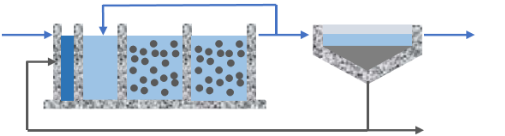
- Convenient maintenance and management. Since the specific gravity of the filler is close to that of water, only a small amount of air is needed to make it uniformly suspended in water. There is no need for filler brackets when in use, just set a grid to inte
rcept the water outlet of the aeration tank, and return it to the front of the tank by the aeration water flow, which can save investment, and it is more convenient to mix and update. In addition, the operator does not have to worry about the sludge return ratio, the amount of excess sludge removed, and the sludge expansion as in the management of activated sludge system. Therefore, the operation is simple and the workload is small. - The filling rate is easy to choose. 30%-50% (volume ratio) of the filler is well fluidized in the aeration tank. For suspended fillers, as long as the oxygen flushing capacity is permitted and the free suspension is guaranteed, the filling ratio can be selected according to the needs.
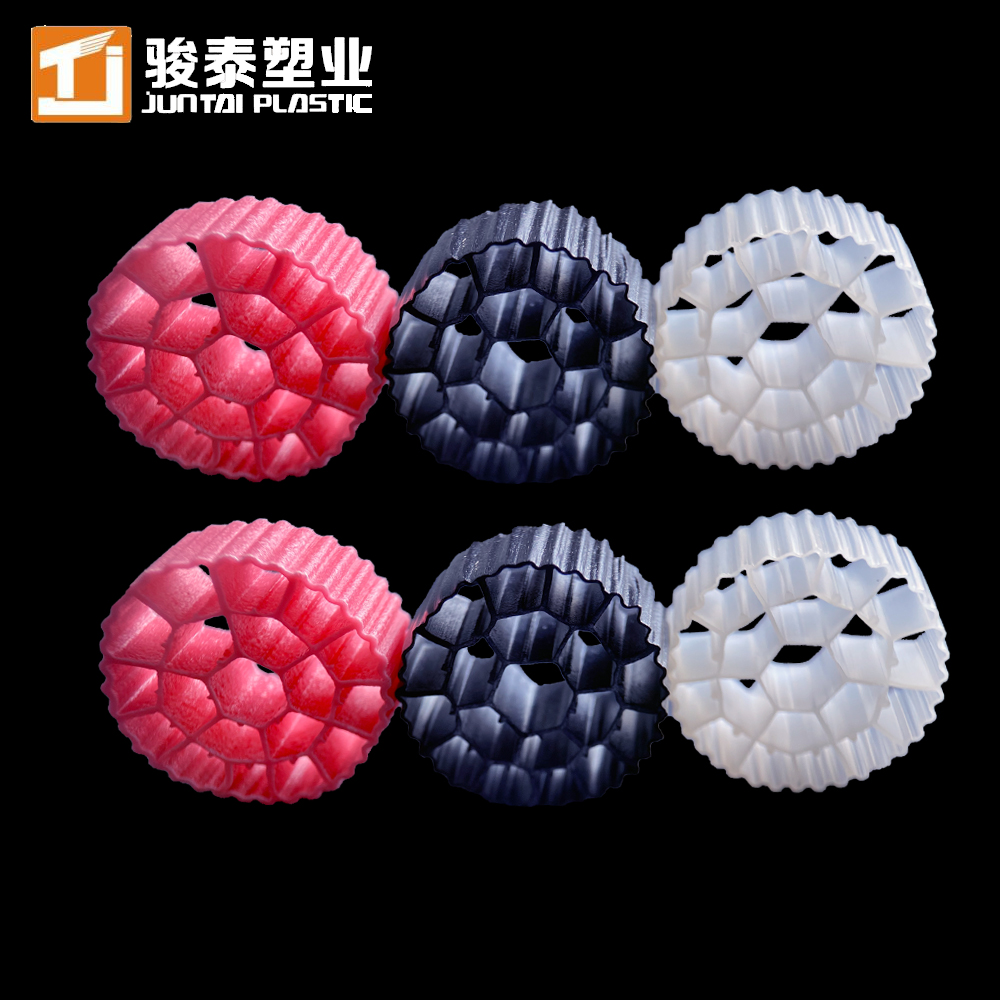
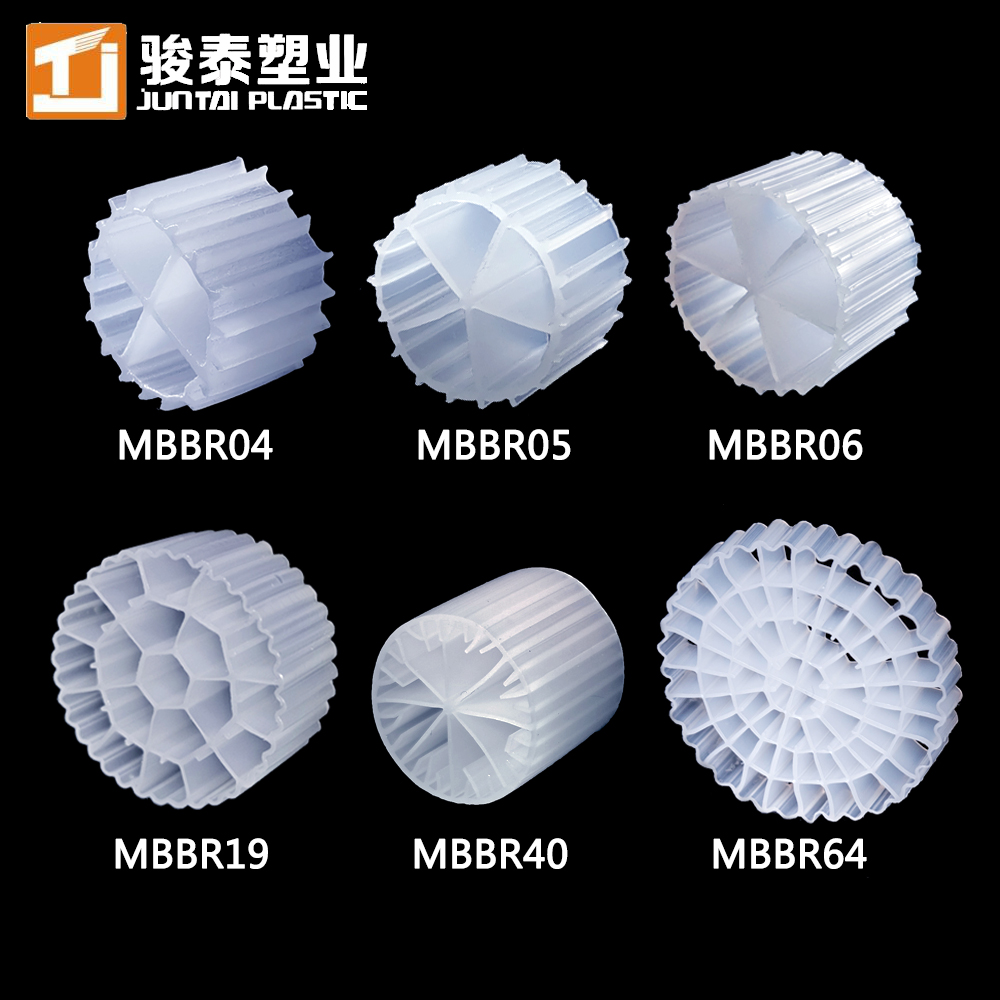
Advantages of suspended MBBR
02/09/2020


